

Uludiş Orthodontics
What is the Orthodontics ?
Orthodontics is a branch of dentistry that involves correcting the alignment of the lower and upper jaws, placing teeth in their correct position on the jaw, and physically correcting the profile. Misaligned, crooked, and poorly positioned teeth are more difficult to clean, making them more prone to gum disease and tooth decay, leading to an increased risk of premature tooth loss. They can also cause excess pressure on jaw muscles, leading to temporomandibular joint disorders and headaches, shoulder and back pain. Crooked and misaligned teeth can also affect your appearance. With orthodontic treatment, you can have a healthy mouth, an impressive appearance, and teeth that will last longer in your mouth. A dentist who works in this field is called an orthodontist. To become an orthodontist, you need to graduate from a dental school and then do a residency in orthodontics.
Why do orthodontic problems occur and how are they treated?
Orthodontic problems can occur due to various reasons and are treated based on the age of the patient. If the patient is in puberty and has a deficiency in the structure of the upper and lower jaw, orthodontic techniques can be used for treatment. If the patient is an adult, physical abnormalities can be treated with a combination of orthodontics and surgery. Functional abnormalities, such as mouth breathing, can also result in jaw misalignment. In a person who breathes through their mouth, the upper jaw tends to be narrow and V-shaped.
Long-term use of bottles and pacifiers, finger sucking, nail biting and other habits that should not be done can cause tooth and jaw abnormalities. These habits should be prevented as early as possible.
It is important to take precautions against these habits at an early age, in terms of the completion of skeletal development.
If the structure of the tongue is larger than it should be in terms of its structure, or if there are gaps between the teeth, it can cause the teeth to become spaced out. If the jaw structure is small and the teeth are large, the teeth do not fit into the jaw and overlap occurs.
Premature loss of baby teeth or late loss of baby teeth can also cause misaligned teeth. When a permanent tooth fills the space where a baby tooth should have fallen out, the teeth that should have come out can't find a place to go, causing misalignment.
How necessary is orthodontic treatment?
Orthodontic treatment is not just for aesthetic concerns, but also aims to prevent tooth and gum diseases that may arise in the future, prevent problems with the jaw joint, ensure chewing function, and address speech disorders in individuals.
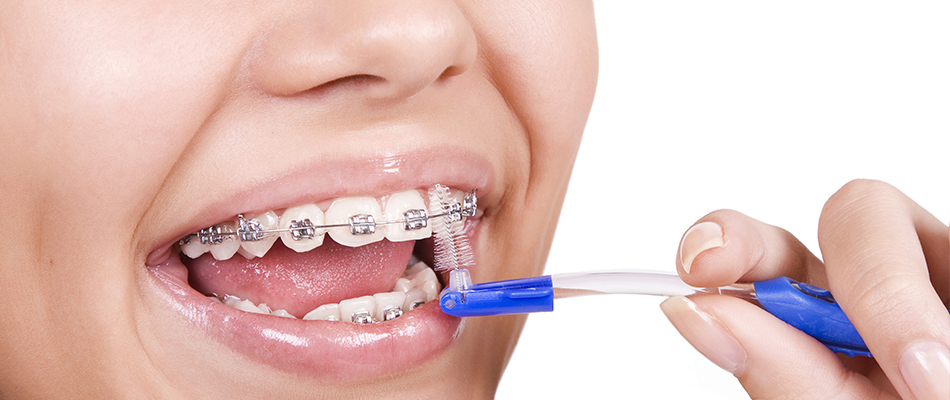
Orthodontic treatment methods can be determined with movable appliances, functional appliances, and fixed appliances depending on the existing orthodontic problem in the mouth. Simple orthodontic problems that are not in advanced stages can be solved with elastic movable appliances that the patient can put on and take off.
Primary orthodontic treatments should not be neglected in order to prevent the regression of treatment and deterioration after treatment is completed. Different appliances that work passively can be used during this period.
The orthodontics branch constantly works in collaboration with other branches of dentistry.