

Uludiş Smile Design
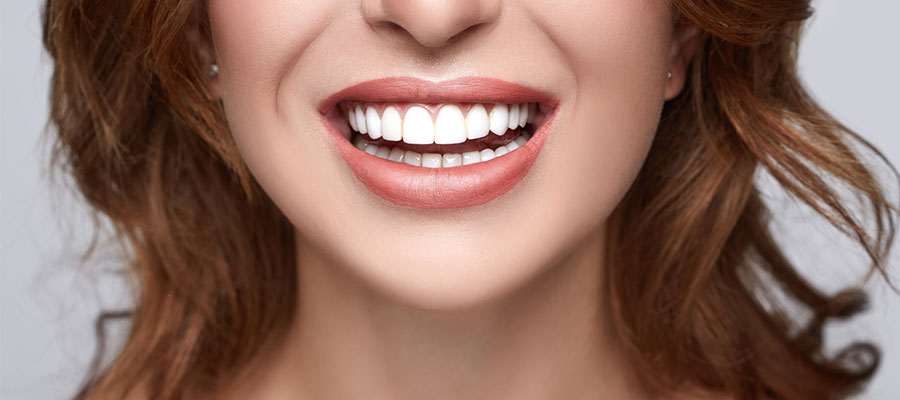
ISmile design is a treatment that includes various dental practices. Smile design is not only about solving health problems, but also about creating a bright and aesthetic smile for the person. This procedure is carried out to eliminate problems that prevent the person from smiling comfortably. Being able to smile naturally and sincerely is as important for oral and dental health as it is for the psychological state of the person. Because people who are hesitant to laugh and smile due to some problems in their teeth and gums experience some difficulties in social and community life.
How is Smile Design Done?
The patient's expectations from such a procedure should be detailed and then the problems are identified by the dentist by examining the patient's mouth. After the shape of the face and the inside of the mouth are photographed, the photographs are measured on the computer. After necessary adjustments, a picture similar to the image that will occur after the procedure is shown and the treatment process is explained. The procedure is generally performed after the age of 20 and orthodontic treatment is recommended for young people. The filling procedures applied are carried out for aesthetic treatment, but the treatment is not only aesthetically pleasing, but also aims to improve oral and dental health and to eliminate chewing disorders. The following points are carried out taking into account the specific order.
Determining factors for smile design
Smile symmetry, color and arrangement of teeth, condition of gums, shape of lips, facial lines of the patient, etc.
Frequently asked questions about smile design
What should be paid attention to after the smile design process?
After this procedure, attention should be paid to oral hygiene and routine controls should not be neglected.
What kinds of procedures are there in smile design?
Surgery, orthodontics, prosthetics, fighting gum diseases and aesthetics.
Are these operations permanent?
Yes, they are permanent, but the patient's oral and dental health and their adherence to oral hygiene are also important. The lifespan of the treatment applied in smile design may vary according to the patient's oral hygiene and their treatment compliance.
Pink Esthetics
Pink Esthetics is a dental gum surgery procedure that is applied cosmetically within the framework of aesthetic dentistry. Dental gums are a frame that surrounds and determines the appearance of teeth.
Healthy dental gums are essential for an aesthetic smile. In addition to the health of the dental gums, it is also necessary for this frame to envelop the teeth symmetrically and in the desired shape.
Pink Esthetics reflects the relationship between teeth, lips, and other teeth for an aesthetic smile. In addition, the relationship between teeth, dental gums, and lips is also very important.
It is important for dental gums to extend symmetrically and in line between teeth and to completely fill the gaps between teeth. In this way, an aesthetic smile can be talked about with teeth framed in a suitable way.
Tooth Whitening
In a clinical setting, tooth whitening is performed by the dentist using a suitable tooth whitening gel with heat or ultraviolet light. Before the procedure, the teeth are prepared for the application. This involves professional cleaning of tooth calculus and polishing of the tooth surface. The first photograph is taken and the tooth color is determined. During the application, a protective gel is applied to the gums to prevent damage and the patient is given goggles to protect their eyes. The tooth whitening procedure takes between 20 and 30 minutes to complete.
What is Lamine Tooth?
Lamine tooth, also known as laminate veneer, is a thin coating that is custom-made and applied to the front surface of the teeth in order to improve the aesthetic appearance of the smile. Many dentists compare this treatment to artificial nails, which is why it is also known as tooth lens in the community.
The amount of reduction that needs to be done on the tooth in lamine treatment is determined based on the color of the underlying tooth, the amount of crookedness, its position, and its shape. Although the shells produced are very thin, when they are attached to the front surfaces of the tooth, the tooth grows volume. While the size increase on the small and inner side of the arch has a positive effect, it causes a negative appearance on large and outer-side teeth.
Lamine Coating Types
There are three different lamine applications in practice:
Composite lamina
Leaf porcelain teeth
Leaf zirconium
Leaf Porcelain
Leaf porcelain (porcelain lamina); is the most aesthetically pleasing type of coating widely used in smile design. These porcelains, also known as leaf teeth, are produced in a thin layer of 0.2-0.6mm thickness. The prepared coating successfully covers many cosmetic dental defects by sticking to the front surface of the teeth. Leaf porcelains often use feldspar or lithium disilicate emax ceramics.
Advantages:
Durable and long-lasting.
Transmits light perfectly for a natural appearance.
Bright surfaces are stain resistant and easy to clean.
Less tissue is removed compared to zirconium porcelain tooth treatment."
Composite Laminates
Composite laminates are composite resin-based coatings applied to the front surfaces of teeth to correct the color, position, or shape of the tooth. They can be applied directly to the tooth in the clinic or produced in the laboratory and then glued later. The ceramic powders in the material provide good aesthetics, while the plastic components increase its resistance.
Bonding, also known as this dental aesthetic treatment, is a cheaper but effective alternative to leaf teeth for treating damage, cracks, and breaks on teeth.
Advantages:
Usually less tooth material is removed.
There are fewer clinic visits and it can sometimes be prepared in one session.
It is cheaper compared to porcelain.
It is easier to repair and correct if it is damaged.