
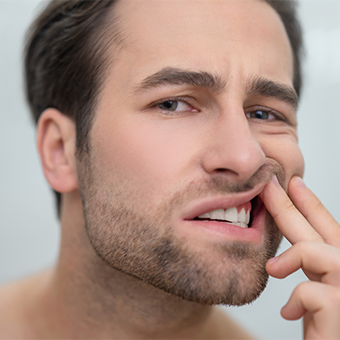
Tooth gum recession is a process in which the margin of the gum tissue surrounding the teeth wears away or recedes, exposing more of the tooth or tooth root.
When gum recession occurs, spaces between the teeth and gum line are created. This makes it easier for the bacteria that cause the disease to form. If left untreated, the supporting tissues and bone structures of the teeth can be seriously damaged, resulting in diş kayıplarına neden olabilir.
Gum recession is a common dental problem. Most people are unaware of gum recession because it occurs slowly. The first sign of gum recession is usually tooth sensitivity or you may notice a tooth appearing longer than normal. Typically, you may feel a notch near the gum line.
Tooth gum recession is not something you will want to ignore. If you think your gums are receding, make an appointment with your dentist. There are treatments that can repair and prevent further damage to the gum tissue.
Why does gum recede?
There are several factors that can cause your gums to recede, including:
- Periodontal diseases. These are bacterial gum infections that destroy the supportive bone that holds your gums and teeth in place. Periodontal disease is the main cause of gum recession.
- Genetics. Some people may be more prone to gum disease. In fact, research shows that up to 30% of the population may be at risk of gum disease, regardless of how well they take care of their teeth.
- Aggressive tooth brushing. If you brush your teeth too hard or in the wrong way, you may cause the enamel layer on your teeth to wear away and lead to receding gums.
- Poor dental hygiene. Insufficient brushing, flossing, and rinsing with an antimicrobial mouthwash can allow plaque to turn into tartar, a hard substance that accumulates on and between your teeth and can only be removed by a professional dental cleaning. This can contribute to gum recession.
- Hormonal changes. Hormonal fluctuations during a woman's lifetime, such as puberty, pregnancy, and menopause, can make gums more sensitive and vulnerable to gum recession.
- Certain medications. Some medications can cause dry mouth, which can lead to an increase in plaque and gum irritation. Additionally, some medications can cause changes in gum tissue, making them more susceptible to gum disease and recession.
- Grinding or clenching your teeth. Grinding or clenching your teeth can cause gum recession by applying too much force on your teeth.
- Crooked teeth or misaligned bite. When teeth do not fit together properly, excessive force can be placed on the gums and bone, leading to gum recession.
How is gum recession treated?
Mild gum recession can be treated by your dentist by thoroughly cleaning the affected area. During a deep cleaning (scaling and root planing), plaque and tartar are carefully removed from the surfaces of the teeth and underneath the gum line, and the exposed root surface is smoothed to make it more difficult for bacteria to grow. Antibiotics may also be given to eliminate any remaining harmful bacteria.
If gum recession cannot be treated with deep cleaning due to excessive bone loss and deep pockets, gum surgery may be needed to repair the damage caused by gum recession.
Your dentist can determine the best type of procedure to use for your individual needs.
How can I prevent gum recession?
The best way to prevent gum recession is to take good care of your mouth. Brush your teeth daily and use dental floss, and see your dentist or periodontist at least twice a year or as recommended. If you have gum recession, your dentist may want to see you more frequently. Always use a toothbrush with soft bristles, and ask your dentist to show you the proper way to brush your teeth.
Preventing gum recession involves taking good care of your mouth. Brush your teeth daily and use dental floss, and see your dentist or periodontist at least twice a year or as recommended. If you have gum recession, your dentist may want to see you more frequently. Always use a soft-bristled toothbrush and ask your dentist to show you the proper way to brush your teeth. If the cause of your gum recession is misaligned bite or tooth grinding, discuss with your dentist how to correct the problem. Other ways to prevent gum recession include:
- If you smoke, quit smoking.
- Eat a balanced and healthy diet.
- Monitor any changes in your mouth.
- By taking good care of your teeth, you can have a healthy smile for life."